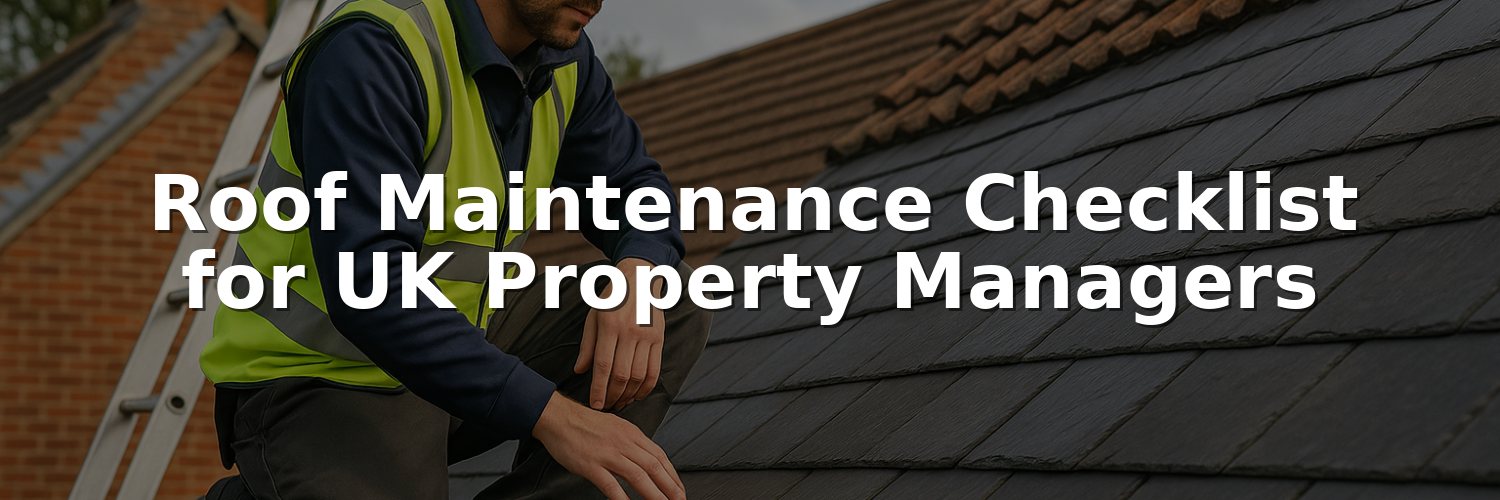
Regular roof maintenance protects buildings, reduces repair bills and preserves tenant safety. This checklist is aimed at property managers, landlords and facilities teams across the UK, providing a practical, season-ready list of inspections and tasks you can follow to keep roofs in top condition. Roofing, Roofers and Roofs has compiled this guide from the range of services we offer, from inspections and leak detection to guttering and emergency repairs.
1. Monthly visual checks (quick walkaround)
These quick checks help spot obvious issues before they become serious. Perform a brief external inspection once a month, especially after storms.
- Look for missing or damaged tiles/slates: cracked, slipped or absent roof coverings are entry points for water.
- Check gutters and downpipes: signs of overflowing, sagging or blockages can cause damp and fascia damage.
- Inspect rooflights and skylights: cracked glass, failing seals or pooling water around seams.
- Note roofline alignment: unexpected dips, bulges or sagging could indicate structural issues.
- Record anything unusual: photograph problems and log dates—helpful for warranty, insurance and planning repairs.
2. Quarterly maintenance tasks
Every 3 months, spend more time addressing smaller maintenance items that prevent long-term damage.
- Clear gutters and outlets: remove leaves, moss and debris; check for leaks at joints. Consider gutter guards for high-debris locations.
- Check flashings and verge details: ensure chimney flashing, leadwork and ridge pointing are secure and watertight.
- Examine fascias and soffits: rot, insect ingress or separated joints can cause timber decay and ventilation issues.
- Test downpipe discharge: ensure water flows away from the building foundation to prevent damp problems.
- Inspect flat roof finishes: look for ponding water, blistering or punctures in membranes (EPDM, GRP, bitumen).
3. Biannual professional inspections
Arrange an in-depth inspection at least twice a year—ideally spring and autumn—by a qualified roofer. Roofing, Roofers and Roofs recommends formal checks before winter and after the main storm seasons.
- Full roof survey: a surveyor will examine pitched and flat roofing, underlay condition and fastenings, and produce a repair plan.
- Drone roof inspections: use drone surveys for large or high buildings to identify tile displacement, membrane damage and chimney defects safely.
- Thermal imaging where needed: detects insulation gaps, moisture ingress and heat loss—useful for social housing and commercial premises.
- Ventilation and insulation assessment: ensure attic ventilation and loft insulation are performing; rectify condensation risk factors.
4. Seasonal tasks and storm preparedness
UK weather demands seasonal attention. Prepare for winter and summer differently to reduce the risk of storm damage and condensation.
- Autumn: clear leaves from gutters and valleys; trim overhanging trees; secure loose tiles and check chimney pots before storms.
- Winter: inspect for icicle formation and ice dams on pitched roofs; ensure heating and ventilation prevent condensation in loft spaces.
- Spring: check for winter storm damage: slipped slates, hail punctures and broken flashings; restart any roof coatings showing wear.
- Summer: inspect roof-mounted equipment and ensure sealants on skylights and solar panel installations are intact.
- Emergency kit: keep tarpaulins, nails, roofing adhesive and contact numbers for emergency call-outs handy for rapid temporary repairs.
5. Post-weather event checks and emergency response
After heavy rain, wind, snow or hail, act quickly. Prompt action reduces secondary damage and insurance claims.
- Immediate visual inspection: check for displaced tiles, punctured membranes and blocked gutters once it’s safe.
- Document all damage: photograph and date-stamp issues for insurance and repair planning.
- Temporary waterproofing: use breathable temporary covers or roof tarps only until professionals can attend—avoid plastic sheeting that traps moisture.
- Contact professionals: for complex or high-roof work, use experienced teams with insurance-backed cover and safety equipment. Roofing, Roofers and Roofs offers emergency call-outs and rapid response for severe issues.
6. Long-term care: upgrades and scheduled works
Planned investment reduces lifecycle costs. Include these items in your asset management plan.
- Replace failing materials: when slates, tiles or membranes show repeated failure, schedule re-roofing or targeted replacement work.
- Upgrade insulation and ventilation: improving thermal performance lowers energy bills and reduces condensation-related repairs.
- Consider durable options: metal roofing, quality slate or enhanced coatings offer long lifespans and low maintenance—suitable for high-use properties.
- Green roofing and solar integration: evaluate waterproofing and structural capacity before installing living roofs or photovoltaic systems; professional integration preserves warranties and performance.
- Keep a maintenance log: track inspections, repairs and contractor details to plan budgets and simplify warranty/insurance claims.
7. Who to involve and when
Knowing which specialist to call prevents delays and ensures safety and compliance.
- Roofer/roofing contractor: for tile/slate replacement, flashing repair, tiling services, re-roofing and structural reinforcement.
- Flat roofing specialist: for EPDM, GRP, bitumen or liquid-applied systems and ponding issues; see flatroofingbirmingham.co.uk for regional flat roof specialists and examples.
- Gutter and joinery trades: for fascia, soffit and rainwater system repairs that affect roof performance.
- Surveyors and insurers: for large-scale damage, thermal imaging surveys or when making insurance claims.
- Electrical and solar installers: when integrating PV panels to ensure roof integrity and waterproofing are maintained.
Using this checklist will help property managers and owners reduce unexpected repairs, extend roof life and maintain tenant safety. Roofing, Roofers and Roofs can support scheduled inspections, emergency repairs and planned upgrades—ensuring roofs remain weather-resistant, energy-efficient and low-maintenance.